
POPULAR AT FAMILY HAVEN
POPULAR AT FAMILY HAVEN
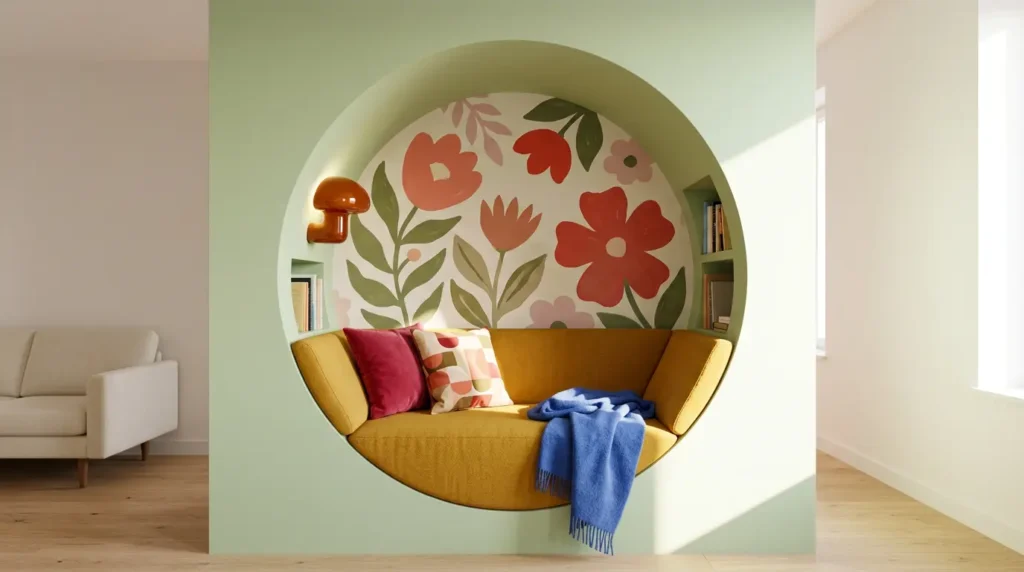
Reading nook ideas for small spaces start with a comfortable spot, useful reading light and somewhere to put your book, rather than a room full of new furniture.
There is a special kind of disappointment that comes from finding the chair, loving the chair, bringing home the chair…and discovering the closet door can now open approximately four inches.
That is why good reading nook ideas for small spaces begin with the part nobody puts on the mood board: Will this thing actually fit? Once the footprint works, you can bring in the warm lamp, bookshelves, throw, plant, soft colour, and all the cozy details that made you save the idea in the first place.
Current designer examples support that broader way of thinking. Reading spots can sit in bedrooms, home offices, landings, window areas, living rooms, built-ins, and other overlooked parts of a home rather than requiring a separate library.
Put a dining chair, laundry basket, cardboard box, or taped paper outline where you think the reading seat should go. Then open the nearest door, pull out the widest drawer, move the curtains, sit down, stand up, and walk past the spot.
Do that before shopping. A chair can look wonderfully compact from the front while its deep seat, angled legs, thick back, or reclined shape pushes eighteen inches farther into the room than you expected.
Start with one seat, one useful light, and one place for the current book. Those three pieces create a working reading spot before the cushions, wall art, candles, baskets, plants, and decorative stacks arrive.
Real Simple’s August 2026 designer roundup follows a similar order, beginning with seating and location before moving into textiles, lighting, a rug, a side table, and personal pieces.
| Check this | Ask yourself |
|---|---|
| Chair width | Can nearby furniture still open? |
| Chair depth | Does it stick into the walking path? |
| Light | Does it reach the page from where my head actually sits? |
| Side surface | Can existing furniture do this job? |
| Books | Do I need all of them beside the chair? |
| Curtains | Can they still open and close? |
| Outlet | Can cords stay out of the walking path? |
| Rug | Is there already one under this part of the room? |
| Wall storage | Will I hit it when standing up? |
| Room use | Does the room still do its main job? |
Small-room rule: if sitting down requires moving decor off the chair, nudging a basket with your foot, and closing a door that used to stay open, the nook has taken too much.
These reading nook ideas for small spaces are built around different rooms, awkward gaps, seating needs, storage problems, and decorating styles. You do not need all thirty; you need the one that makes sense in the square footage you already have.
A gap beside the bed is one of the easiest spots to test because a table and lamp may already be nearby. Add a compact chair and let the nightstand hold your current book, glasses, and drink instead of squeezing in another side table.
Measure with the nightstand drawer open, not closed. If the chair blocks it, shift the seat slightly toward the window or choose a narrower chair rather than accepting a drawer you can no longer use.
Repeat one colour from the bedding in a cushion or throw. The reading area will feel connected to the bedroom without needing a separate decorating scheme.
You do not need custom joinery to use a window wall. A freestanding upholstered bench can create the same basic reading position while giving you the option to move it later.
Architectural Digest’s current examples include window seating, freestanding bookcases, built-ins, benches, and reading areas fitted into the architecture of the room.
Look for a vent, radiator, low outlet, or baseboard heater before choosing the bench. Keep window handles, blinds, and curtains reachable from the room.
If the home already has a seat designed for sitting, use the space below it for drawers, cubbies, or baskets where the construction allows. Store a short book rotation, extra cushion covers, or the throw you use there.
A built-in seat can look generous in photos while still having a surprisingly shallow sitting area. Sit there before buying thick cushions that could leave you perched on the front edge.
Place the chair beside the bookshelf you already own instead of buying a second shelf to make the corner look more “bookish.” Your books are already within reach, which leaves the floor free for the seat and perhaps one lamp.
Turn the chair slightly toward the shelves rather than lining everything flat against the wall. That small angle can make the seat feel like its own reading corner while staying part of the room.
A narrow upholstered bench at the end of the bed can become a reading seat without asking the bedroom for another corner. It also earns its footprint by helping with dressing, shoes, blankets, or a bag at the end of the day.
Measure the walkway between the bench and the wall or dresser. If the route feels tight in socks, it will not improve when you are carrying laundry.
A spare closet can hold a low bench, floor seat, narrow cushion, and shallow book ledges. The idea works when removing the closet’s storage does not cause three new baskets to appear elsewhere in the bedroom.
Deep shelving steals sitting room quickly. Use front-facing ledges, narrow shelves, or a low basket for the books you are using now.
Keep the entrance open enough to step in and out normally. A reading corner stops feeling pleasant when entering it resembles climbing into a packed suitcase.
Put the reader beneath the taller portion and storage beneath the lower slope. A low bench, floor seat, or compact chair usually makes more sense here than a tall-backed armchair.
Keep access doors, service panels, vents, and electrical equipment reachable. Construction or electrical changes belong with a qualified professional rather than inside a decor project.
An alcove already gives the chair a visual boundary, so resist filling every inch around it. Try one narrow seat, one light source, and shallow book storage before adding wall decor.
Paint or wallpaper can define an alcove, but it is not required. A chair, lamp, and shelf may already look complete because the architecture frames them.
Low furniture can make use of an attic edge or dormer where standing furniture looks awkward. Put your head and shoulders under the taller section, with baskets or low book storage beneath the shortest part.
The visual effect can be especially cozy because the ceiling naturally closes in around the seating area. Keep enough headroom to sit down and stand without rehearsing the movement first.
A broad landing or pass-through can work when the walking path stays generous. Architectural Digest shows a landing reading area made comfortable with soft seating, poufs, and a throw, showing that a reading space does not have to occupy a traditional room corner.
Walk through the area at the busiest time of day before settling on furniture. If every trip upstairs now includes a sideways shuffle, move the chair.
Your Pinterest attachment makes this cluster impossible to miss: warm brown and cream rooms, bookshelves behind or beside the chair, amber lamps, soft throws, round ottomans, plants, gallery art, curved chairs, window light, and dark evening corners repeat throughout the results.
Public Pinterest results around this topic also surface phrases such as cozy reading nook in the living room, cozy reading corner, reading nook aesthetic, living room corner, reading room design, cozy home library, and reading corner living room.
Start with the corner that already sits near a lamp, bookshelf, or window. Turn one chair slightly away from the main conversation area so its orientation signals that this seat has another job.
You probably do not need another rug, another coffee table, and another cabinet beside it. Let the existing room lend the nook what it already has.
A chair beside built-in shelves gives you the full home-library look visible throughout your screenshot without requiring a library-sized room. Keep the books at reachable heights and use the upper shelves for the parts of the collection you reach less often.
Leave a little breathing room between the arm of the chair and the shelving. That gap makes cleaning easier and keeps the chair from looking wedged into the bookcase.
Two narrow bookcases with a chair centred between them can create a stronger book-wall effect than one huge shelving unit. Keep the centre open enough for a lamp, picture, or blank wall so the chair does not disappear into a wall of objects.
Freestanding bookcases can imitate some of the visual effect of built-ins without custom carpentry. Architectural Digest includes reading spaces where added bookcases look integrated with the room even though they were not original to the home.
If the room already has a fireplace, use a nearby chair rather than building another decorative centre somewhere else. Keep seating, books, fabrics, baskets, and other items outside the clearances required for your specific fireplace or heating appliance.
A reading lamp beside the chair can give you page light after the fire is off. The fireplace can remain part of the room rather than becoming the reading lamp.
The outer end of a sofa often leaves enough room for one compact chair and shared lamp. Use the sofa’s side table when it sits within easy reach rather than squeezing another table between two seats.
This is one of the easiest reading nook ideas for small spaces because the nook borrows from the room instead of demanding a new furniture set.
A sofa placed away from the wall may leave a useful strip of floor behind it. In the right layout, a slim chair beside a bookcase or window can fit there without interrupting the main seating area.
Test the route behind the sofa before buying anything. A hidden corner is useful; a hidden obstacle is not.
An ottoman earns its place when you actually like to read with your feet up. Pick one that can slide beside the chair, under a console, or out of the walking route when you are finished.
Real Simple’s current designer guidance also points to ottomans as flexible pieces that can work as footrests, extra seating, or storage depending on the design.
Your Pinterest screenshot includes a strong evening version of the reading nook: deep brown wood, dark bookcases, pools of lamp light, muted green, caramel, and shadow around the edges.
Keep the page itself brighter than the decorative mood. A dark room may look lovely in a photo, but the book still has to be easy to read.
The brighter pins in your attachment rely on cream upholstery, pale walls, natural wood, beige textiles, and greenery. This version works well when the small room already feels visually busy and you want the reading area to sit calmly beside it.
Use texture instead of piling on colour: ribbed fabric, woven baskets, a wool-style rug, linen-look curtains, or wood grain. One plant can add enough green without turning the chair into the understudy for a greenhouse.
Muted olive appears naturally beside brown wood, cream upholstery, books, and warm light. Use the green on one chair, cushion, plant, or artwork rather than repeating it on every object.
This palette suits the library-like look seen across your screenshot because it feels connected to leather tones, wood shelving, paper, and foliage. It also works in a living room that already uses earthy neutrals.
An armless chair can fit beside a nightstand, bookshelf, or window where full arms would block access. It can also give you a little more freedom to sit sideways or tuck one leg beneath you.
Measure from the wall to the farthest front point once the chair is sitting at its natural angle. A chair that is narrow across the seat can still have a deep footprint.
A supportive floor chair can suit a studio, dorm, shared room, or bedroom that cannot hold another standard chair. Add a cushion only where your body needs it, then let the seat fold or move when the room changes jobs.
Test how easily you can get down and back up. Small-space furniture is only useful when the person using it is comfortable using it.
A bench with drawers or cubbies can store books, throws, or other items beneath the seat. This gives the same patch of floor two jobs.
A lift-top bench can become annoying if every reading session ends with moving cushions to reach the books underneath. Drawers or open cubbies often suit items you reach every day.
Shallow book ledges let you keep a small row of current books near the chair without adding a floor bookcase. This can work beside a bed, above a bench, or on the wall next to an armchair.
Follow the shelf maker’s fixing and weight instructions. Position the ledge where a person standing from the chair will not hit it.
A wall light can replace a floor lamp where every inch around the chair matters. Sit in the chair with an open book before settling on the light position so you can see where your head and shoulder cast a shadow.
Current designer guidance stresses lighting that reaches the reading area rather than depending only on overhead light.
A narrow cart can move with the reader rather than owning one fixed section of floor. Keep your current books, notebook, glasses, and a few reading items there, then roll the cart aside when the room needs the space.
Do not let it become the place where every homeless object in the apartment comes to retire. Once batteries, receipts, chargers, scissors, and mystery cables move in, your books will lose the lease.
Sometimes the honest answer is that there is no room for another chair. Use the bed with supportive pillows, a reachable reading light, and enough nightstand space for a book, glasses, and drink.
A reading nook is a place set up for reading, not a furniture shopping requirement. This option can work especially well in tiny bedrooms and dorm rooms.
Turn the guest chair toward a window, lamp, or shelf when the workday ends. One chair can serve meetings during the day and reading later without creating a second seating area.
If the desk lamp reaches the book comfortably, use it. If not, a compact task light may make more sense than adding a floor lamp.
Give children books they can reach from the floor or a child-sized chair. Low baskets, front-facing ledges, washable cushions, and a simple cleanup routine make the space easier for a child to use without adult help.
CPSC advises securing furniture such as bookcases and dressers to reduce tip-over risk, following the furniture maker’s instructions, and keeping tempting objects away from higher places children may climb toward. See its furniture safety guidance for the full recommendations.
Use a movable chair or floor seat, one book basket, a throw, and a light that does not require permanent work. The entire setup can move when the room has another job or when your lease ends.
This last option brings the whole article back to the point: the strongest reading nook ideas for small spaces work with your home instead of asking your home to surrender to the Pinterest photo.
The Pinterest attachment leans heavily toward layered rooms, but the feeling comes from a handful of repeated ingredients rather than sheer quantity. Books, one generous chair, warm lighting, soft fabric, natural wood, greenery, personal art, and a small place for a drink appear again and again.
You can use the same visual language with half the objects. In a small room, editing often makes the chair, books, and lighting easier to notice.
Try one throw or cushion, one framed photo or artwork, and one useful piece such as a basket, table, or shelf. That gives the corner comfort, personality, and function without filling the remaining space.
Your nook does not need a decorative ladder, three stacks of books, six cushions, a giant floor vase, and a blanket basket because a photo had them. Pinterest does not have to walk around your bed at 2 a.m.
A bookcase can be full while the wall beside it stays simple. If you already have floor-to-ceiling books, use one artwork or wall light rather than turning every remaining inch into another display.
Blank space can also help a small room look less crowded. Let the chair and shelves carry the visual weight when they are already doing enough.
Warm ambient light creates the look visible throughout your screenshot, but a reader still needs enough direct light on the page. A floor lamp, wall light, or table lamp can handle that job depending on the room.
Current designer guidance also recommends thinking beyond one overhead fixture and choosing lighting based on where the reader actually sits.
Your reading corner does not need to hold your entire collection. Keep the current book and a short next-up stack near the seat, with the rest on the main bookcase or wherever books already live.
This is especially useful when the nook relies on a basket, small shelf, or cart. Five reachable books are more useful than fifty squeezed around your knees.
| If you have… | Start with… | Let it share… | Skip first… |
|---|---|---|---|
| Empty bedroom corner | Compact chair | Nightstand | Second table |
| Window wall | Bench | Existing curtains | Tall cabinet |
| Deep window recess | Seat cushion | Built-in storage | Extra chair |
| Bookcase edge | Reading chair | Existing books | Second shelf |
| Foot-of-bed space | Narrow bench | Bedroom lamp | Armchair |
| Spare closet | Low seat | Nearby storage | Deep shelving |
| Under-stair gap | Low bench | Lower storage | Tall chair |
| Narrow alcove | Slim seat | Recessed wall | Large cabinet |
| Wide landing | Compact chair | Nearby lamp | Full furniture set |
| Living room corner | Armchair | Main room rug | Tiny second rug |
| Sofa end | Chair | Side table | Another table |
| Built-in shelves | Chair + light | Existing books | New bookcase |
| Tiny floor area | Armless chair | Wall light | Floor lamp |
| No chair space | Bed | Nightstand | Extra furniture |
| Child’s bedroom | Low seat | Book basket | Tall loose shelf |
| Rental or dorm | Movable seat | Portable basket | Permanent work |
The chair can fit against the wall and still make the room worse. Test closet doors, dresser drawers, curtains, bed access, heating, outlets, and the main walking route while something chair-sized occupies the spot.
Then sit in it. A technically fitting chair that leaves your knees pressed into a dresser is not a successful reading nook.
A sunny corner at lunchtime can feel dim at night. Test the spot during the hours when you are most likely to read.
Move the lamp while sitting in the chair rather than judging it from across the room. Your eyes care where the light reaches, not where the lamp looks best in the wide photo.
A second rug can visually chop a small room into smaller pieces. Let the bedroom or living-room rug serve the reading chair when it already reaches the area.
Add a separate rug when it has a real job, such as defining an otherwise disconnected area or protecting flooring beneath movable seating. Do not add one because every saved pin seems to have a circle of fluff under the chair.
Keep the books you are using now close to the chair. Let the main collection stay where the home already stores books.
This makes wall ledges, baskets, narrow shelves, carts, and bedside reading spots far easier to manage. It also leaves enough room to sit without building a small fortress out of paperbacks.
The pillow count has gone too far when you have to place half of them on the floor before reading. Start with the chair’s actual comfort, then add one cushion where your body needs support.
The same rule applies to throws. One you use is enough; the chair does not need its own textile department.
A pin may show a wide room, eight-foot bookcase, large swivel chair, ottoman, floor lamp, side table, rug, plant, and basket. Your three-foot corner may have room for the chair, lamp, and one shared surface.
Copy the relationship between the pieces rather than the quantity. Warm lamp + comfortable chair + books nearby can give you the feeling without reproducing every object.
Find one unused or underused spot, test the walking route, then add seating, useful reading light, and nearby book access. Borrow a nightstand, bookshelf, rug, or lamp from the room before adding another piece of furniture.
Good reading nook ideas for small spaces solve the floor plan first. Decor becomes much easier once you know exactly how much room remains.
There is no single measurement that works for every room because chairs, benches, bodies, doors, drawers, and walking routes differ. Measure the actual furniture footprint and test the space around it.
A nook is large enough when you can sit, stand, reach the book, and use the rest of the room normally. That matters more than reaching a preset square-foot number.
Choose the smallest seat that supports the way you really read. Armless chairs, slipper chairs, narrow armchairs, benches, floor chairs, window seats, and chairs already in the home can all work.
Look beyond width and measure depth too. A slim-looking chair with a deep recline can take more usable floor space than a slightly wider upright chair.
No. A window gives you daylight and often creates a natural place to orient the chair, but a bedroom corner, bookcase edge, closet, office, landing, or living-room corner can also work.
The important question is whether you can light the page comfortably when you normally read. Evening readers will need artificial light even beside a window.
Start with a comfortable seat and good reading light, then add a soft textile and one or two personal details. Books, warm wood, muted colour, framed art, a plant, and a throw can build the look without covering every surface.
The Pinterest aesthetic in your reference image also shows that cozy does not mean one colour scheme. Dark brown libraries, cream-and-green corners, light window areas, warm neutral living rooms, and moodier evening setups all fit the same idea.
Repeat something the living room already uses, such as a wood finish, fabric colour, frame style, or metal finish. That keeps the corner visually connected even when the chair faces a different direction.
Current Pinterest results around living-room reading nooks repeatedly pair armchairs with books, lighting, soft textiles, shelves, and living-room decor rather than treating the nook as a separate room.
Use the closest existing bookcase first. If that is not possible, try a shallow ledge, basket, rolling cart, under-seat storage, wall shelf, or the lower level of a nearby side table.
Keep only the current stack beside you. The nook needs access to books, not custody of the entire collection.
Yes, when the closet is genuinely spare and the space is suitable for sitting. Keep the entrance open, use shallow storage, and do not treat electrical, ventilation, heating, moisture, or structural work as ordinary decorating.
If removing the closet means buying another wardrobe for the bedroom, the “space-saving” idea has probably moved the problem rather than solving it.
Use seating the child can access easily, books within reach, washable fabrics, and a clear path into the nook. Keep cleanup simple enough that books can return to a basket or low shelf without adult help.
Secure furniture that could tip and follow manufacturer instructions. CPSC specifically advises securing top-heavy furniture and keeping tempting objects away from higher spots children may climb toward.
Yes. In a studio, let the reading spot share furniture with the living or sleeping area rather than creating another complete zone.
An existing chair, shared floor lamp, wall shelf, rolling cart, or portable floor seat can be enough. Choose pieces that can stay useful when the room switches from reading to work, guests, meals, or sleep.
The strongest reading nook ideas for small spaces do not begin with buying more. They begin by noticing that the bedside gap, living-room corner, window wall, bookcase edge, spare closet, landing, office chair, or patch beneath the stairs may already be enough.
Measure one spot, place something chair-sized there, open everything around it, and read for ten minutes. If the room still works and you do not want to get up, that is the corner worth decorating.
Explore original printables, find another story or save your next creative project.
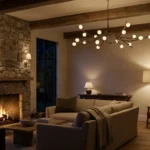

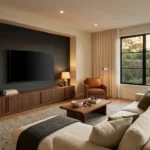
[…] you are decorating a smaller corner rather than a whole room, these small-space reading nook ideas can help you combine the wall, seating and lighting without overcrowding the […]
[…] is a good place to borrow the same small-room thinking used in our reading nook ideas: a small home often works better when overlooked corners are given one clear […]
[…] a small reading spot, these reading nook ideas can help you work the chair, lamp, and storage into the same little […]
[…] this mood is your favorite, these cozy reading nook ideas can give you more ideas for warm colors, little corners, books, and soft […]
[…] reading corner needs a different type of light from a hallway path, so see these reading nook ideas for small spaces if you are planning both […]
[…] you’re short on room, these small reading nook ideas may help you find a spot you hadn’t […]